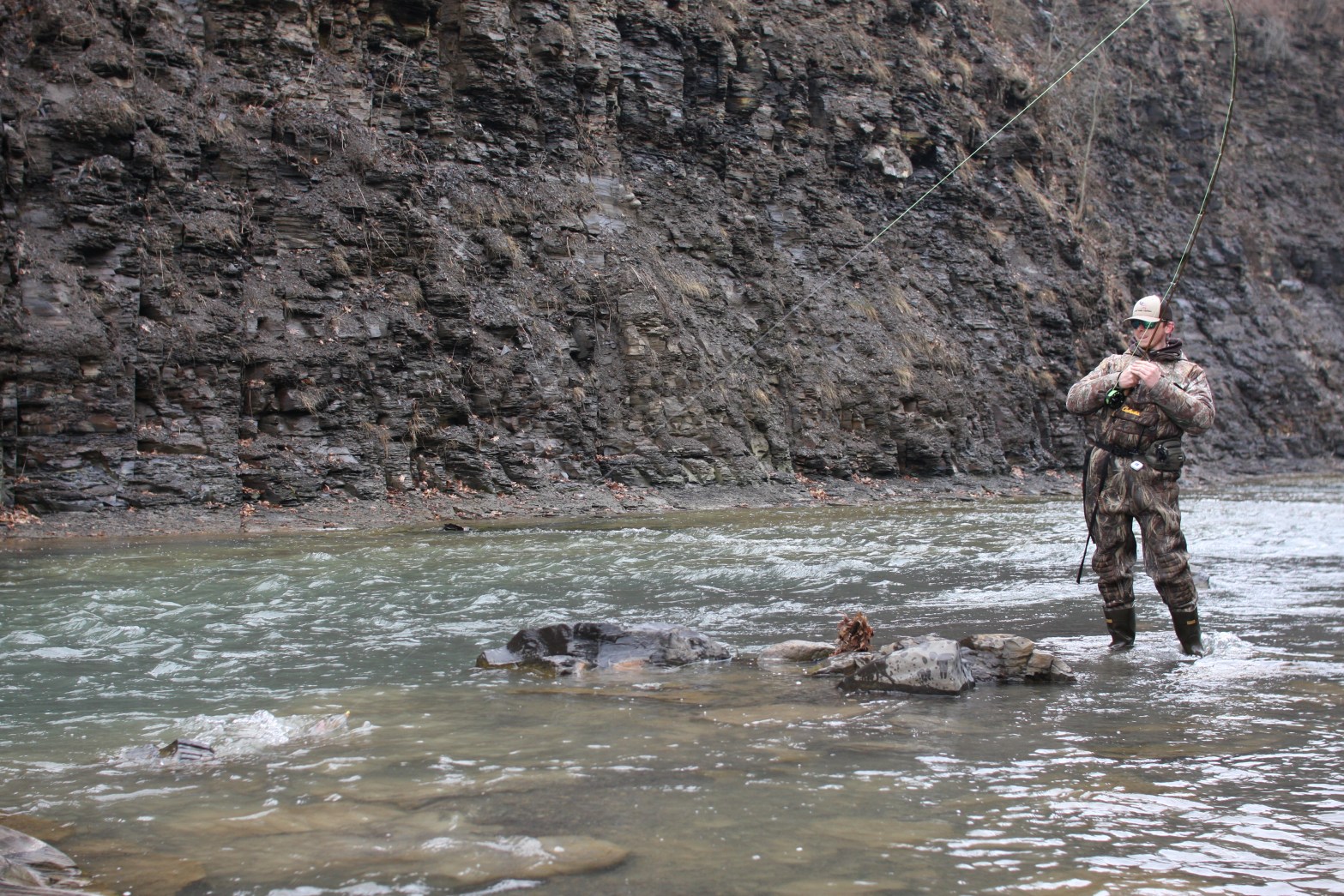
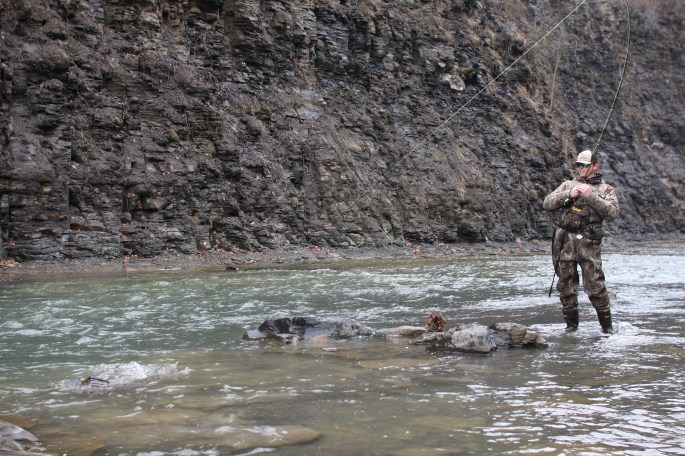
This past couple of weeks I’ve been getting my worm wet trying to catch some steelhead. Lucky for me where I live, I have most of southern Lake Ontario and eastern Lake Erie within reasonable driving distance (Which is not reasonable but totally worth it). This year I have done the most steelhead fishing I have ever done and I’ve been fortunate enough to have had some really good success.
The other day I took a good friend out and he asked me if these fish have always done this. This being swimming up a tributary out of Lake Erie. I proceeded to tell him that they were actually introduced over a hundred years ago to the Great Lakes. This got me thinking. I stood there making a cast and if I were standing there 200 years ago I would be casting at nothing. After thinking about this, I went home and started doing some research on steelhead. I have a fairly knowledgeable background on steelhead. However, I wanted to learn a little more about the introduction of steelhead into the great lakes.
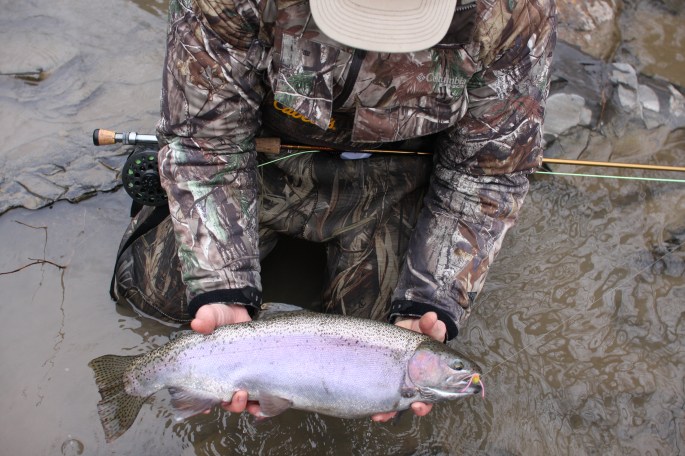
Like many of the fish in the United States, there are fish that we don’t question why they are there like rainbows and browns which now are considered native but they were not always that way. Even now for some reason you are even seeing the same thing with snakeheads this invasive species you’re supposed to kill if caught (in my state at least) is now building up its own microculture of fishing. This is similar to what happened with steelhead in the great lakes.
If you stood on the shores of Lake Ontario 200 years ago the closest steelhead you would find would have been about 2000 miles away. All the way on the west side of the Rocky Mountains. However, like most things humans do we managed to mess with nature and decided to bring steelhead to the great lakes in the late 1800s. Specifically, in 1872 the U.S. fishing commission decided to start transplanting salmon starting with steelhead. The reasoning back then was to strengthen both recreational and commercial fisheries. While also being a dependable renewable resource in which we could use for food.
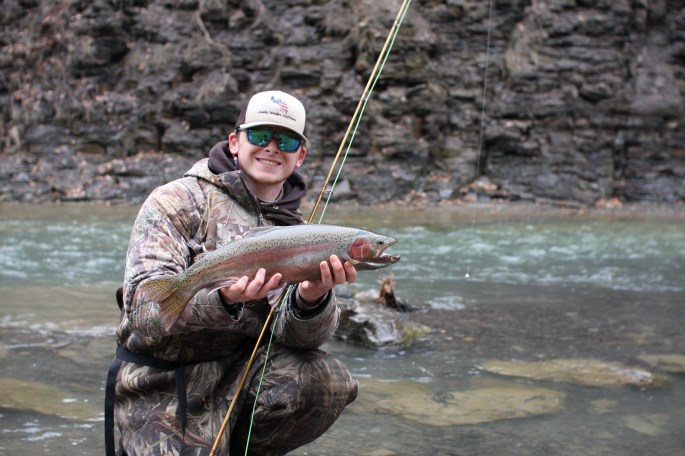
The first Steelhead eggs which were purchased as rainbow trout eggs. These were bought in 1864 by a gentleman off of Oatka Creek, a tributary of Lake Ontario via the Genesee River. (Surprisingly I just fished there the other day) Followed by the 1885 purchase of rainbow/steelhead which was sent to a hatchery in Michigan as well as Cold Spring Harbor, NY. Which was surprising to me because that is a beach town not too far from where I grew up on Long Island. This was also surprising because it is hours away from Lake Ontario.
When you think of steelhead in the pacific northwest you envision an anadromous fish. Born in the river then swims to the ocean to live its life. To then return to the river it was born to spawn. These fish specifically behave this way because there is more food in the ocean than in the river. However, the steelhead is still able to complete this same process in the great lakes. In New York State I know that they stock two different strains of steelhead. The Washington strain that runs in the fall and the Skamania strain which run in the spring/summer.
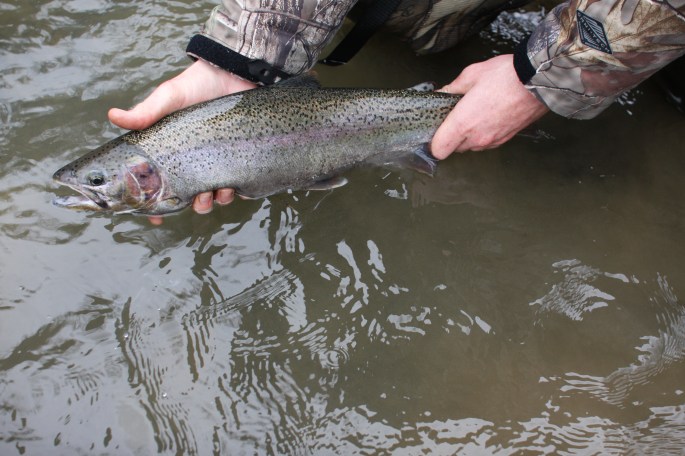
Don’t get me wrong though, I’m not complaining that there is non-native steelhead in the great lakes. I most definitely enjoy going out and fishing for them. Especially if the introduction of them did not hurt any of the native species there I think it did some good for the steelhead as a whole. Steelhead on the pacific coasts numbers are down and in some rivers are at critical levels. Having the great lakes steelhead is a way to make sure we can continue to have steelhead. Furthermore, having recreational and commercial fishing for steelhead is a good way to positively impact the economy. Also having species like steelhead, king salmon, and brown trout is a good indicator of the overall health of the great lakes. Lastly, it impacts all of us that have this resource available to them. Having the ability to get out on public lands and try your luck at one of these beautiful fish in the out of doors is an amazing thing and we are lucky to have it.
Stay safe! If you haven’t make sure to plug your email in to get a notification every time we post new awesome content.
 Leaky Waders